Introduction to Gypsum Board in Modern Construction
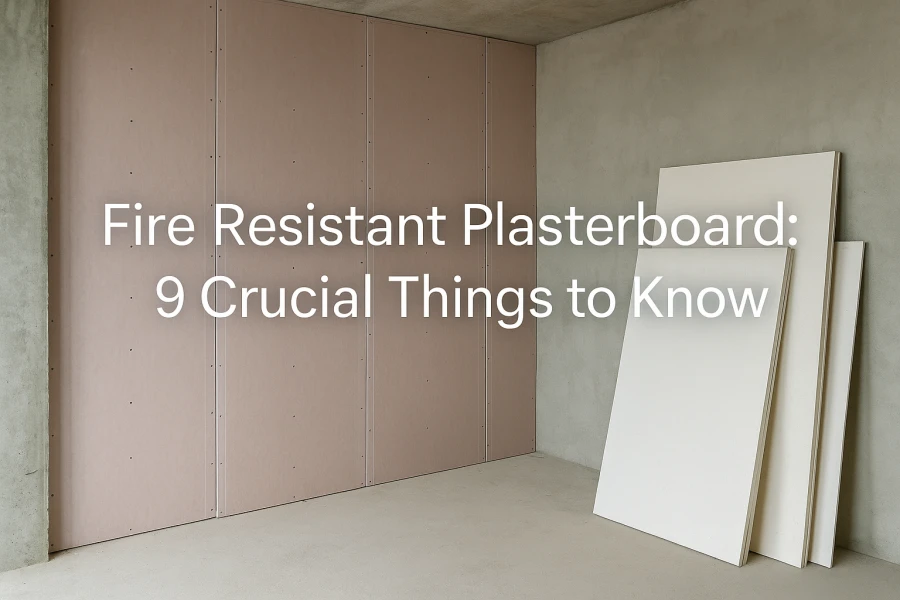
Gypsum board, often referred to as drywall, has become a prevalent choice in contemporary construction due to its myriad benefits, including cost-effectiveness, fire resistance, and straightforward installation process. As a key material in the building industry, gypsum board serves as a critical component for both interior walls and ceilings, fulfilling various functional and aesthetic requirements efficiently.
One of the most notable advantages of using gypsum board is its affordability. Compared to traditional wall materials, such as plaster or concrete, drywall can be procured at lower costs, making it an attractive option for both residential and commercial projects. In addition to being economically advantageous, drywall has inherent fire-resistant properties, which help enhance the safety of structures. The core composition of the gypsum board includes water, which does not burn, thus slowing down the spread of flames and providing essential time for evacuation in emergency situations.
Ease of installation is another reason why gypsum board is favored by contractors and builders. It can be quickly cut, fitted, and secured to framing, allowing for more efficient project completion timelines. Moreover, the surface of drywall can be easily finished with paint or wallpaper, contributing to versatile interior design options. However, despite its many advantageous qualities, it is essential to recognize that gypsum board is not without its challenges. Improper installation, environmental conditions, or inadequate maintenance can lead to failures, such as cracks, mold growth, and sagging. These issues emphasize the need for careful handling and an understanding of best practices when utilizing gypsum board in any construction project.
Common Causes of Gypsum Board Failure
Gypsum board, commonly utilized for wall and ceiling construction, can experience significant failures if not properly managed. One of the primary causes of drywall failure is moisture damage. Excessive moisture can arise from various sources, such as water leaks, high humidity, or inadequate waterproofing measures. When gypsum boards absorb moisture, they become susceptible to mold growth, which not only compromises the structural integrity of the board but also poses health risks to occupants due to poor indoor air quality.
Another contributing factor to the failure of gypsum board is poor installation practices. Incorrect fastening techniques can result in panels being inadequately secured to their framing. For instance, overspacing or underspacing screws can lead to sagging and ultimately, cracking of the board. Moreover, improper joint treatment is a common oversight, as the joints between boards must be correctly taped and finished to create a seamless appearance. Neglecting these installation best practices can manifest as unsightly seams and increased vulnerability to damage.
The quality of materials used is also a critical aspect in the performance of gypsum board. The market offers a variety of gypsum boards, but opting for low-quality or substandard options carries inherent risks. These inferior boards may lack essential fire-resistant properties and durability. Choosing such materials can compromise safety standards and increase the likelihood of failure over time. Hence, investing in high-quality drywall is imperative for maintaining structural resilience and ensuring longevity in construction projects.
Signs of Gypsum Board Problems
Gypsum board, a widely used construction material, can sometimes exhibit signs of failure in various projects. Recognizing these indicators promptly is essential for addressing the issues effectively and ensuring the longevity of the installation. One of the most common signs of drywall problems is the presence of cracks. These fissures can appear in both walls and ceilings and may arise from improper installation, settling of the building, or structural stress. Observing any pattern of cracks, especially those that widen over time, should prompt further investigation.
Sagging is another critical indicator that gypsum board might be failing. This phenomenon typically occurs when the material is improperly supported or exposed to excessive moisture. Bulging can also be observed in areas where drywall has been installed. This distortion may arise from water damage or the accumulation of moisture, which weakens the board and causes it to deform. Detecting bulging early can prevent more severe structural issues and enhance safety.
Water stains are key warning signs that should not be overlooked. These stains often indicate previous leaks or ongoing moisture problems that can severely compromise the gypsum board’s integrity. Additionally, the presence of mold growth on or around the drywall is a serious concern, as it poses health risks and often suggests prolonged exposure to moisture. Regular inspections for these issues can mitigate more complex problems later on.
Moreover, loose panels are an evident sign that the attachment methods may not have been executed correctly. Joint failures, where the paper facing separates from the core in gypsum board, are also significant indicators of potential issues. Paying attention to these signs will equip builders and homeowners with the knowledge to recognize early problems and take necessary measures for resolution.
How to Prevent Gypsum Board Failures
Preventing gypsum board failures necessitates a proactive approach that encompasses quality selection, installation practices, and ongoing maintenance. The first step is to select high-quality gypsum boards tailored to specific project requirements. For environments prone to moisture, moisture-resistant drywall is imperative. Similarly, fire-resistant options should be considered in areas with heightened fire risks. These specialized boards are designed to enhance durability and safety, significantly reducing the likelihood of failure over time.
Installation techniques play a crucial role in the performance of gypsum board systems. It is highly recommended that installation is carried out by professionals who understand the nuances of working with this material. Proper alignment, the use of correct fasteners, and appropriate spacing are essential to ensure structural integrity. Additionally, the reinforcement of joints is key to achieving a seamless finish that can withstand stress and prevent cracks from forming.
Regular maintenance and inspections cannot be overlooked. Building owners and facility managers should establish a routine check-up system for the gypsum board installations. Inspecting for leaks, especially in areas where plumbing is present, can help identify potential moisture infiltration before it escalates into a more severe problem. Furthermore, checking for panel integrity and any signs of warping or damage should be part of these inspections. Early detection aids in addressing issues promptly, effectively extending the life of the drywall installation and maintaining the aesthetic appeal of the spaces they enhance.
In conclusion, by focusing on the selection of appropriate materials, ensuring high-quality installation practices, and committing to regular maintenance, the risks associated with gypsum board failures can be significantly mitigated. This strategic approach not only enhances the performance of these materials but also ensures safety and durability in various applications.
Alternatives and Complementary Materials
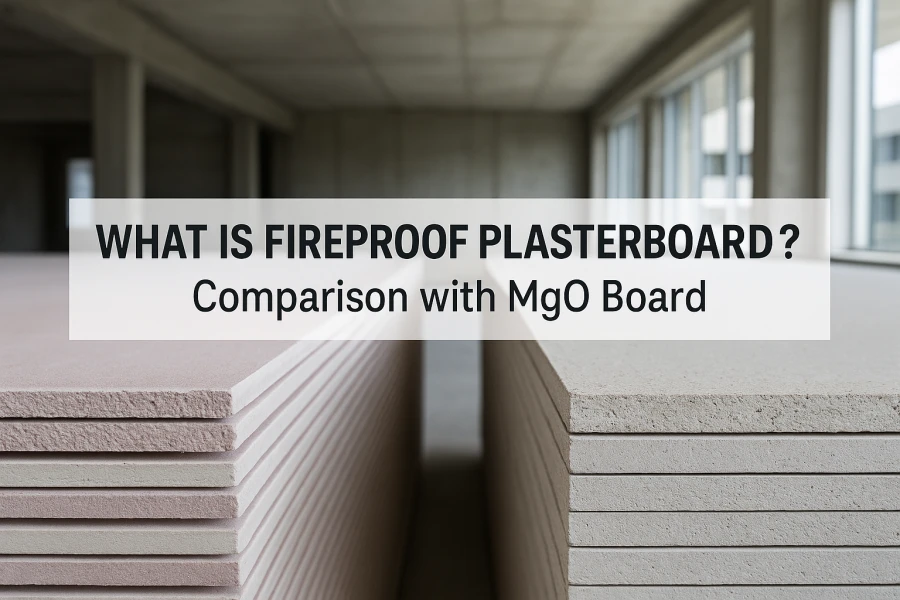
When working in environments that pose risks of moisture or fire, it is essential to explore alternative materials to gypsum board which can provide enhanced performance and durability. Two notable substitutes are Magnesium Oxide (MgO) boards and cement boards. MgO boards are particularly advantageous due to their resistance to moisture and fire, making them an excellent choice for high-risk areas such as kitchens, bathrooms, and exterior walls. These boards not only maintain structural integrity but also offer superior strength compared to traditional gypsum boards.
Cement boards, on the other hand, are widely recognized for their resilience in wet environments, such as those found in commercial and residential spaces that require significant water exposure. Additionally, cement boards resist mold growth and degradation, which makes them suitable for use in locations like basements or areas prone to flooding. By integrating cement boards into construction projects, professionals can minimize the vulnerabilities commonly associated with gypsum boards.
For projects where gypsum boards remain a preferred choice, it is advisable to enhance their durability through the application of complementary materials. One effective method involves the addition of waterproofing or fireproofing layers. These layers can be applied to the surface of gypsum boards, significantly reducing the chances of moisture penetration or fire damage. Different products are available on the market, including coatings, membranes, and encapsulating solutions that can enhance the resilience of gypsum boards, allowing them to perform better in adverse conditions.
Combining gypsum boards with these alternative materials and techniques will contribute to a more robust construction method capable of addressing the potential shortcomings of drywall alone. As risks vary with different projects, selecting the right materials is crucial in ensuring long-lasting results and adherence to safety standards.
The Importance of Quality Selection
In the construction industry, the importance of selecting high-quality materials cannot be overstated, especially when it comes to gypsum board. This building material, widely used for interior wall and ceiling constructions, is subject to various stresses and environmental conditions that can affect its performance and durability. The selection of inferior quality drywall can lead to numerous issues, including sagging, cracking, and moisture damage, ultimately compromising the structural integrity of a project.
High-quality gypsum boards are designed to withstand different stresses and are often treated with special additives that enhance their durability and resistance to water and fire. When a project involves bathrooms, kitchens, or areas with high humidity, opting for moisture-resistant or water-resistant drywall is crucial. These specialized boards contain core components that prevent degradation and maintain their structural performance when exposed to such environments. In contrast, using standard boards in these situations can result in premature failure, increased repair costs, and safety hazards.
Additionally, the safety aspect of using quality materials cannot be overlooked. Gypsum board manufactured under strict industry standards tends to have rigorous testing protocols, ensuring they meet necessary safety criteria. For instance, fire-resistant gypsum boards are essential in reducing the spread of fire, providing occupants with critical time for evacuation. Investing in superior products can be seen as a preventive measure; it reduces the likelihood of future problems, prolongs the lifespan of constructions, and enhances overall building performance.
In conclusion, selecting high-quality drywall is essential for the success of any construction project. Quality materials not only improve durability and safety, but they also ensure better performance, reflecting an investment in long-lasting results and reliability.
Professional Installation Practices
The successful performance and longevity of gypsum board installations are fundamentally linked to the quality of the installation process. Adhering to professional installation practices is critical to mitigating potential failures associated with this versatile material. Skilled professionals bring a wealth of technical knowledge, which encompasses establishing the correct positioning of fasteners, maintaining appropriate spacing, and applying joint treatments effectively.
Correctly positioning fasteners is essential in securing drywall panels to framing structures. Inadequate fastening may lead to issues such as sagging or bending, which can compromise the integrity of the board. Professionals are trained to consider factors like the specific type of gypsum board being installed and the anticipated load, ensuring that the fasteners are both appropriately placed and adequately spaced. Following standardized fastening guidelines helps prevent common problems, such as cracking or failure at the joints.
Maintaining proper spacing between fasteners and along the edges of panels is another critical aspect of professional installation. Insufficient spacing can lead to joint misalignment, causing cracks and reducing the overall strength of the assembly. Professional installers are adept at calculating and implementing the required distances, allowing for material expansion and contraction while preventing stress on the board.
Moreover, the application of joint treatments plays a pivotal role in the performance of gypsum board. Professionals are trained in various methods, including taping, mudding, and sanding, to ensure seamless finishes that enhance both appearance and durability. Inadequate joint treatment can result in visible seams and structural weaknesses, increasing the likelihood of future damage.
In summary, hiring trained professionals to tackle drywall installation is a necessary investment that significantly impacts the project’s success. Quality craftsmanship not only ensures that these panels perform as intended, but also prolongs their lifespan, ultimately saving time and resources in the long run.
Regular Maintenance and Inspections
The longevity and performance of gypsum board installations significantly depend on regular maintenance and inspections. These measures are essential in identifying potential issues before they escalate, ultimately ensuring the integrity of the materials and structure. Regular checks should focus on various factors, including moisture levels, signs of leaks, and visible damage. Gypsum boards, while generally durable, are susceptible to certain conditions that can compromise their effectiveness if left unaddressed.
One of the primary threats to gypsum board is moisture. When water infiltrates the material, it can lead to mold growth and structural deterioration. Consequently, it is crucial to routinely inspect areas in close proximity to plumbing, such as kitchens and bathrooms, where the presence of leaks is more likely. Signs of moisture may include water stains, peeling paint, or a musty odor. Immediate action is required when such issues are detected to prevent extensive damage. Furthermore, the use of moisture-resistant drywall in areas prone to dampness can serve as a proactive strategy during the initial installation phase, making future maintenance easier.
In addition to checking for moisture, it is advisable to inspect the joints, seams, and finishing work of the gypsum board. Cracks and other forms of damage can compromise the board’s structural integrity. Should imperfections be discovered, it is better to address them promptly—whether through sealing, repainting, or, in severe cases, replacement. Establishing a routine inspection schedule, preferably on a quarterly basis, allows for timely observations and corrections. By adopting these best practices, property owners can significantly enhance the lifespan of their v installations. Keeping an eye on these aspects not only protects the investment but also fosters a safer living or working environment.
Conclusion: Key Takeaways on Gypsum Board Durability
Throughout this discussion on gypsum board, we have examined the various factors that can contribute to its failure in construction projects. Among the most significant causes of drywall issues are improper selection and inadequate installation. It is essential to choose the right type of gypsum board suitable for the specific environmental conditions and intended applications. For example, moisture-resistant gypsum board should be utilized in areas exposed to humidity, such as bathrooms and kitchens, while fire-resistant variants are necessary for projects requiring additional safety measures.
In addition to selection, the installation process alone plays a crucial role in the performance and longevity of drywall. Errors during installation, such as failing to seal joints adequately or using inappropriate fasteners, can lead to premature degradation. Furthermore, attention must be paid to environmental factors during installation. Gypsum boards should be stored correctly and protected from moisture and extreme temperatures prior to installation, as these factors can compromise the material’s integrity.
Identifying early signs of potential gypsum board failure is vital for preventing further complications. Homeowners and builders should be vigilant for symptoms such as cracks, mold growth, and sagging. Addressing these issues promptly can mitigate damage and extend the lifespan of the gypsum board used. Routine inspections and maintenance can help ensure that the boards remain in good condition and fulfill their intended purpose within the structure.
In conclusion, the durability and effectiveness of gypsum board in construction are significantly influenced by sound practices in both selection and installation. By adhering to industry standards and recognizing potential problems early on, stakeholders can enhance the performance of drywall, ensuring it meets both aesthetic and functional requirements throughout its lifespan.
Call to Action: Prioritize Quality and Expertise
The successful implementation of gypsum board in construction projects relies heavily on the quality of materials and the expertise of those who handle them. Gypsum board has become a preferred material in modern construction due to its versatility and cost-effectiveness. However, when not utilized correctly, it can lead to significant failures and ongoing issues. Therefore, it is essential to take proactive measures to ensure that your projects are built on a foundation of quality and expert understanding.
First and foremost, choosing high-quality drywall is critical. Not all gypsum boards are created equal; variations exist in fire resistance, moisture resistance, and overall durability. By selecting premium products that align with the specific demands of your project, you can mitigate the risk of failure. For example, consider moisture-resistant board for areas prone to humidity, such as bathrooms and kitchens. Understanding the environmental conditions of the installation site will guide you in selecting the optimal type of gypsum board.
Furthermore, engaging experienced professionals who specialize in the application of gypsum board is crucial. Skilled installers will understand the nuances of working with this material, from proper installation techniques to adhering to relevant building codes and standards. Their expertise can prevent common installation mistakes that lead to long-term problems and can ensure that the drywall performs as intended over its lifespan.
In addition, continuous education and training for both architects and construction teams on the latest advancements in gypsum board technology can further enhance project outcomes. Staying informed about new products and methods will enable teams to make informed choices, thus contributing to the overall success of any construction endeavor.
In summary, prioritizing quality materials and professional practices when working with gypsum board is essential for ensuring durability, safety, and overall project success. Taking these proactive steps will be invaluable in achieving your construction goals.