Introduction to MGO Material
MGO material, commonly known as magnesium oxide material, is an inorganic building material that has garnered significant attention in the construction industry. It is created through the calcination of natural magnesium minerals, which are often abundant. The primary raw materials utilized in the production of MGO include magnesite and seawater, the latter providing a sustainable and eco-friendly avenue for sourcing magnesium. This process involves heating these materials at high temperatures, leading to the formation of magnesium oxide.
The growing demand for fire-resistant construction material has propelled MGO to the forefront of modern building practices. Unlike traditional materials, MGO exhibits excellent thermal properties and is recognized for its fire rating, making it a preferred choice in designs where fire safety is a concern. As a testament to its versatility, MGO material can be molded into various shapes and formats, catering to diverse architectural needs.
Architects, builders, and engineers appreciate magnesium oxide material not only for its physical properties but also for its environmental impact. Being a green construction material, MGO is often seen as a viable alternative to gypsum-based products, which can have detrimental effects on health and the environment during production.
In addition to its sustainability, magnesium oxide material offers significant structural advantages. It provides robustness, moisture resistance, and improved durability, which are essential attributes for long-lasting construction. As a result, MGO is increasingly incorporated into residential, commercial, and industrial projects, further solidifying its role as a cornerstone of contemporary construction practices.
Understanding the Composition of MGO Material
Magnesium oxide (MgO), commonly referred to as MGO material, is primarily formed through the thermal decomposition of magnesium carbonate or the calcination of magnesium hydroxide. This process involves heating these compounds to high temperatures, resulting in the release of carbon dioxide or water vapor, leading to the formation of magnesium oxide. What makes magnesium oxide material particularly distinctive among inorganic building materials is its high purity and unique crystalline structure, which can deliver exceptional performance in various construction applications.
The distinct characteristics of magnesium oxide material are attributed to its remarkable chemical composition. Composed mainly of magnesium and oxygen, it stands out due to its relatively low density and high strength, giving it significant advantages over traditional building materials. The incorporation of magnesium oxide into composite materials enhances not only the mechanical properties but also the thermal resistance, contributing to the overall fire-resistant construction material classification.
Additionally, MGO material exhibits remarkable durability and resistance to corrosion and weathering, which are critical factors for modern construction. Its chemical inertness reduces the likelihood of negative reactions when exposed to other substances, making it a versatile component in various applications. This reliability stems from its ability to maintain structural integrity under varying environmental conditions, thus extending the lifespan of structures wherein it is utilized.
The unique properties of magnesium oxide also lend themselves to the ability to act as an effective insulator, thereby improving energy efficiency in buildings. As architects and engineers seek sustainable and resilient materials, MGO material’s exceptional qualities and composition continue to draw interest within the construction industry, paving the way for innovative building practices.
Fire Resistance of MGO Material
Magnesium oxide material is increasingly recognized for its exceptional fire-resistant properties, making it an ideal inorganic building material for modern construction. Unlike traditional fire-resistant construction materials like gypsum board and cement, magnesium oxide material demonstrates superior performance when subjected to high-temperature conditions. This is largely attributable to its unique chemical composition, which allows it to withstand extreme heat without compromising structural integrity.
Testing has shown that MGO material can endure temperatures exceeding 1,200 degrees Celsius, outperforming many other conventional materials. This remarkable stability means that buildings constructed with MGO panels can maintain their functional characteristics under fire exposure, thereby providing greater safety to occupants. In fact, several fire tests, including those conducted by the American Society for Testing and Materials (ASTM), have validated the effectiveness of magnesium oxide as a fire barrier.
The significance of fire resistance in building safety cannot be overstated. With the increasing incidence of fire disasters globally, the need for reliable fire-proofing solutions is paramount. MGO material not only enhances the fire safety of a structure but also contributes to the overall longevity of the building. When incorporated into walls, floors, and ceilings, this fire-resistant construction material can significantly reduce the risk of fire spread, allowing for more time for evacuation and minimizing potential damage. Furthermore, the use of magnesium oxide as a fire-resistant material can help construction firms meet stringent building codes and insurance requirements.
Additionally, the lightweight nature of magnesium oxide material facilitates easy handling and installation, further promoting efficiency in construction processes. In summary, the fire-resistant capabilities of magnesium oxide material position it as a leading choice for enhancing safety in modern building designs.
Moisture Stability in MGO Material
Moisture stability is one of the prominent characteristics that distinguishes MGO material, or magnesium oxide material, from many other inorganic building materials. This property is particularly crucial in modern construction, where exposure to various climatic conditions can significantly impact the longevity and reliability of building materials. Magnesium oxide material exhibits remarkable resistance to water absorption, which allows it to maintain its structural integrity even in environments subject to high humidity or direct water contact.
Unlike traditional materials such as calcium silicate, which can suffer degradation over time when exposed to moisture, magnesium oxide material remains stable. This resilience is attributed to its unique composition that prevents the absorption of water molecules. In practice, this means that structures utilizing MGO material can endure damp conditions without compromising their strength or structural properties. Essentially, this stability translates to lower maintenance costs and extended lifespans for buildings, thus enhancing overall project sustainability.
Moreover, the fire-resistant construction features of MGO complement its moisture stability, making it a preferred choice for applications in regions with rigorous weather conditions. The synergy between these two properties ensures that structures not only withstand the effects of moisture but also resist fire damage, benefiting safety and durability. In contrast, other common building materials might not offer such a balanced combination of fire resistance and moisture stability, demonstrating why magnesium oxide material is increasingly favored in contemporary construction. Ultimately, the moisture stability of magnesium oxide material is a valuable asset that solidifies its role as a vital component in the modern construction landscape.

Strength and Durability Features of MGO Material
Magnesium oxide material, commonly referred to as MGO material, exhibits remarkable mechanical strength and durability, making it a highly effective choice in modern construction. The compressive strength of MGO panels can reach impressive levels, often surpassing those of traditional materials such as gypsum and concrete. This characteristic makes MGO a valuable inorganic building material for applications requiring robust structural integrity.
To assess the mechanical properties of MGO material, various standardized tests are employed. Compressive strength tests measure the material’s ability to withstand axial loads without failure, while tensile strength tests evaluate its resistance to being pulled apart. The outcomes of these tests highlight magnesium oxide material’s superior performance, with excellent results that support its use in demanding environments. The inherent properties of magnesium oxide material contribute to its long-lasting performance, exhibiting minimal degradation over time, even in harsh climates.
Additionally, MGO’s resilience against environmental factors is noteworthy. The fire-resistant construction material boasts a high melting point and is naturally resistant to mold and moisture damage. Given these properties, it finds applications in diverse settings, including commercial buildings, residential properties, and industrial spaces. The combination of strength, durability, and resistance to environmental stressors positions MGO material as an attractive alternative to conventional building options. Its application extends beyond mere structural elements; it can be utilized in flooring systems, wall panels, and even roofing materials.
Overall, the strength and durability features of magnesium oxide material illustrate its suitability for contemporary construction needs. As the demand for more resilient building materials continues to grow, MGO stands out as a compelling choice that balances performance with sustainability.
Environmental Performance of MGO Material
MGO material, commonly recognized as magnesium oxide material, has garnered attention in modern construction for its impressive environmental performance. One of the primary advantages of using magnesium oxide material is its significantly lower carbon footprint during the manufacturing process compared to traditional building materials. This reduction is largely attributed to the straightforward production cycle of MGO, which requires less energy and results in fewer greenhouse gas emissions.
Another critical aspect of the environmental performance of MGO material is its recyclability. Unlike many conventional construction materials, magnesium oxide material can be easily repurposed at the end of its life cycle. This ability to be recycled underlines its potential to mitigate waste generation, aligning closely with the growing emphasis on sustainability in construction practices. By utilizing MGO, builders not only reduce the demand for new materials but also contribute to a circular economy.
Moreover, MGO material is free from harmful substances such as formaldehyde and volatile organic compounds (VOCs), making it a safer choice for both human health and the environment. In contrast, many traditional construction materials can release toxins over time. This characteristic of magnesium oxide material ensures that indoor air quality is maintained, which is especially important in densely populated urban environments where air pollution can affect health.
When compared to traditional building materials, MGO demonstrates clear advantages in terms of sustainability and environmental impact. The cumulative benefits of lower emissions during production, recyclability, and the absence of harmful substances make magnesium oxide material a frontrunner in eco-friendly construction solutions. Emphasizing these qualities not only enhances the appeal of MGO material but also supports the global shift towards sustainable building practices.
Compatibility with Other Building Materials
MGO material, known for its many beneficial properties, exhibits significant compatibility with a variety of other construction materials. Its role as an inorganic building material makes it particularly suitable for integration within diverse construction frameworks. Magnesium oxide material meets several essential requirements that allow it to be effectively combined with commonly used building components such as concrete, wood, steel, and glass.
One of the major advantages of using MGO material is its ability to reduce the risk of chemical reactions when it comes into contact with other construction elements. For instance, when magnesium oxide material is integrated with concrete, it can enhance strength and durability without compromising compatibility. This characteristic is crucial, as it helps engineers and architects achieve sustainable and long-lasting structures.
In addition, the fire-resistant construction material properties of MGO allow it to be effectively blended with materials that may be susceptible to fire risks. In high-temperature environments, the thermal stability of magnesium oxide material plays a pivotal role. Proper integration of this material with insulation systems ensures enhanced safety and performance in fire-prone applications.
In practice, best approaches to combining MGO with traditional materials depend on the specific requirements of the project. For instance, when pairing MGO panels with wooden frames, it is essential to account for moisture levels to prevent warping or degradation. Similarly, its use alongside steel requires consideration of potential thermal expansion and contraction differences. Overall, employing MGO material in a multicomponent building system can yield greater efficiency and effective resource utilization when guidelines for compatibility are adhered to.
Common MGO-Based Products in Construction
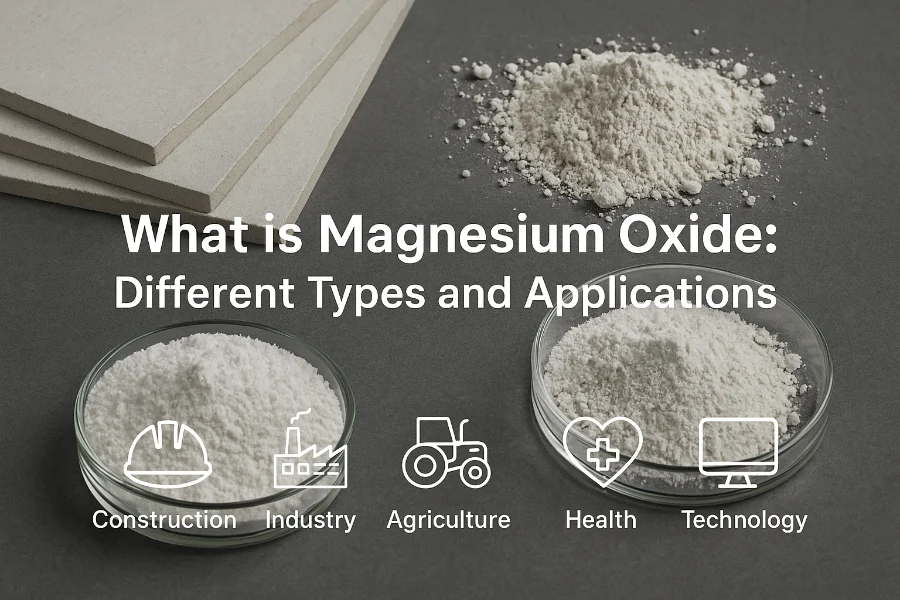
MGO material, notably magnesium oxide material, has gained prominence in the construction industry due to its extensive range of applications. Among the most recognized products are MGO boards and panels, which exhibit numerous advantages over traditional building materials. These products are increasingly favored for their durability, energy efficiency, and environmental sustainability.
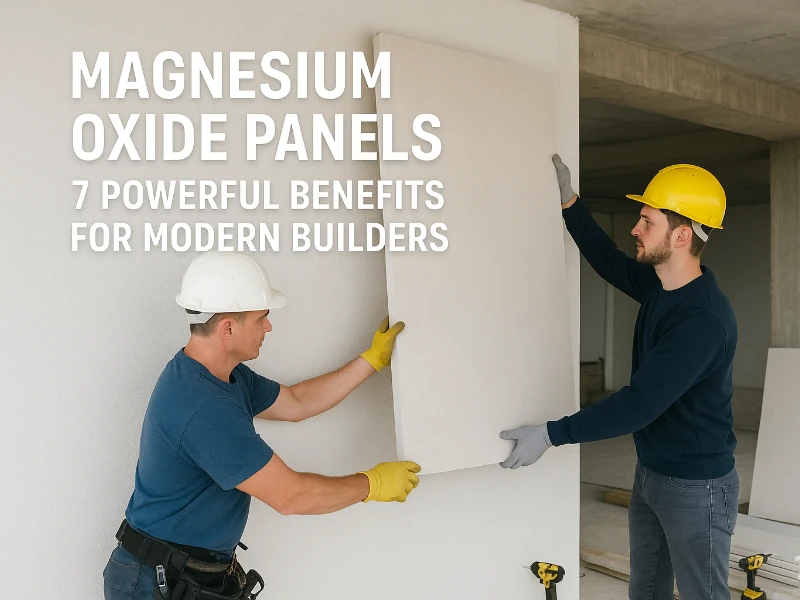
MGO boards are widely utilized as sheathing in wall assemblies, ceilings, and floors. Their fire-resistant properties make them ideal for use in structures where enhanced safety measures are paramount. In addition to their fire resistance, MGO boards are also moisture-resistant, reducing the risk of mold and mildew growth, which can be a critical concern in various building applications.
Another common MGO-based product is magnesium oxide paneling, often employed as an alternative to gypsum or cement boards. These panels possess superior thermal insulation characteristics, which contribute to improved energy efficiency in buildings. This characteristic is increasingly important as energy conservation continues to be a focal point in modern construction practices. Furthermore, the incorporation of MGO panels can lead to more sustainable building projects, appealing to environmentally-conscious developers.
The versatility of magnesium oxide material extends beyond panels and boards. MGO-based mortar and cement are also utilized in various construction applications, providing added strength and improved resistance against elemental degradation. These inorganic building materials are often used in both residential and commercial projects, highlighting their accessibility and widespread acceptance within the industry.
In conclusion, the range of MGO-based products in construction, such as MGO boards and panels, highlights the versatility and practical applications of magnesium oxide material. Their unique properties render them invaluable in modern construction, ultimately promoting safer and more energy-efficient building practices.
Conclusion: The Future of MGO Material in Modern Construction
As the construction industry continues to evolve, the properties of MGO material, or magnesium oxide material, are becoming increasingly important. Architects and builders who understand the unique characteristics of this inorganic building material can harness its advantages for modern construction projects. The lightweight, fire-resistant, and environmentally friendly nature of magnesium oxide material makes it an appealing option for a wide range of applications. Its exceptional durability and resistance to mold and pests enhance the longevity and safety of structures, ensuring that projects meet the demands of contemporary living standards.
Furthermore, the adaptability of MGO material in various construction formats—from panels to cement replacements—opens up numerous design possibilities. As awareness of sustainability grows, the construction industry is likely to seek materials that not only contribute to energy efficiency but also minimize environmental impact. In this regard, magnesium oxide material stands out as a frontrunner in the shift toward greener building practices.
Looking ahead, we can anticipate that the future trends in construction will further leverage the capabilities of MGO material. Innovations in manufacturing processes may enhance its physical properties, making it even more suitable for specialized applications, such as passive fire protection and high-performance insulation systems. Moreover, as regulations around building materials tighten, MGO will likely be favored for its non-toxic composition and excellent safety profile, encouraging more professionals to incorporate it into their designs.
In conclusion, the growing prominence of MGO material as a fire-resistant construction material is indicative of its role in the future of building. By embracing this versatile material, architects and builders can not only ensure compliance with modern safety standards but also contribute to a sustainable construction paradigm, shaping the built environment for generations to come.