Introduction
Modular housing has become an increasingly popular solution for modern construction, offering efficiency, cost-effectiveness, and rapid project completion. Prefabricated modules are manufactured in controlled factory environments and then assembled on-site, reducing construction time and labor costs. However, this building method places higher demands on materials, particularly regarding fire safety, moisture resistance, and durability.
Magnesium oxide (MgO) boards have emerged as an ideal material for modular houses, combining strength, lightweight properties, and exceptional fire and water resistance. Unlike traditional construction materials, MgO boards can withstand high temperatures without losing structural integrity. This article explores the advantages and practical uses of MgO boards in modular housing projects, highlighting why they are becoming the preferred solution for sustainable and safe construction.
What Is a Modular House?
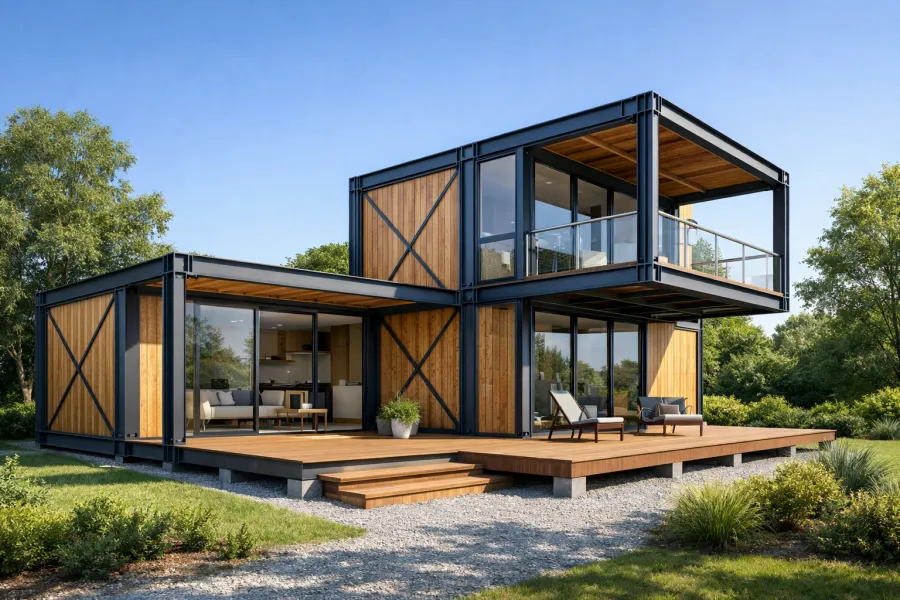
A modular house is a type of prefabricated building that is constructed in sections, or modules, within a factory-controlled environment and then transported to the construction site for assembly. Each module is built to precise specifications, allowing for consistent quality, faster construction times, and reduced waste compared to traditional on-site building methods. Modular housing can range from small residential units to multi-story commercial buildings, providing flexibility for various design and functional requirements.
The modular construction process places unique demands on the materials used. Since modules are transported over long distances and often lifted by cranes during assembly, the building components must be lightweight yet strong, dimensionally stable, and resistant to moisture and fire. Additionally, materials need to be easy to cut, fasten, and install efficiently, as any delays in module assembly can impact the overall project timeline.
Magnesium oxide boards meet these requirements effectively. Their lightweight structure, combined with high mechanical strength and exceptional resistance to heat and water, makes them particularly suitable for modular housing applications. By integrating MgO boards into modular construction, builders can ensure both safety and durability while maintaining efficiency and sustainability throughout the building process.
Why MgO Board Works Well in Modular Construction
1. Fire Resistance
Safety is a primary concern in modular housing, and MgO boards excel in fire protection. Unlike conventional materials, MgO boards are non-combustible and can withstand high temperatures without compromising structural integrity. This makes them ideal for interior walls, partitions, and ceilings where fire safety regulations are stringent, particularly in commercial and multi-story residential modular projects.
2. Moisture and Mold Resistance
During transportation and on-site installation, modular units may be exposed to varying weather conditions. MgO boards are highly resistant to moisture, mold, and mildew, preventing potential damage during storage, transit, and use. This property ensures a longer service life and reduces maintenance needs, making the construction process more reliable and cost-effective.
3. Lightweight and Strong
Modular construction requires materials that are both lightweight for easy handling and strong enough to maintain structural stability. MgO boards offer an excellent balance of mechanical strength and low weight, allowing for easier assembly of modules without compromising durability or safety.
4. Easy Installation
Efficiency is key in modular construction, and MgO boards are designed for fast and convenient installation. They can be easily cut, drilled, and fastened using standard tools, which helps streamline the assembly process on-site and reduces labor costs.
5. Compatibility with Steel Frames
Many modular houses use steel frames as their primary structural system. MgO boards adhere well to metal structures without warping or reacting adversely, ensuring long-term stability and seamless integration with the frame. This compatibility also allows designers and builders to meet both architectural and safety standards without additional modifications.
Typical Applications of MgO Board in Modular Houses
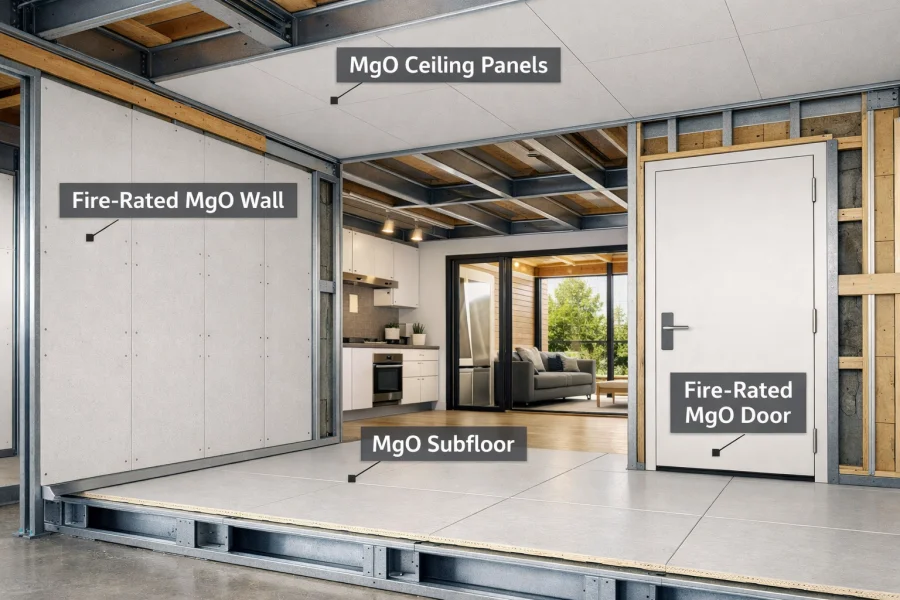
1. Fire-Rated Partitions
In multi-unit modular housing, fire-rated partitions are essential to prevent the spread of fire between units. MgO boards offer reliable protection due to their non-combustible properties and excellent heat resistance, making them a preferred choice for these critical areas.
2. Ceiling Systems
Modular house ceilings benefit from the lightweight yet strong characteristics of MgO boards. They provide fire safety and dimensional stability while allowing easy installation over steel or timber framing, contributing to overall structural efficiency.
3. Subflooring
MgO boards can be used as subflooring panels, offering moisture resistance and durability under heavy foot traffic. Their high strength ensures that the floors remain stable, even in multi-story modular buildings.
4. Fire Doors
Areas that require enhanced fire protection, such as entrances to utility rooms, mechanical shafts, or multi-unit compartments, benefit from fire-resistant doors. Magnesium oxide (MgO) boards are ideal for constructing fire doors, providing excellent non-combustibility, durability, and long-term safety.
Comparison with Traditional Materials
When selecting materials for modular houses, builders often consider gypsum boards, plywood, or oriented strand boards (OSB). While these traditional materials are widely used, they present several limitations compared to magnesium oxide (MgO) boards.
1. Fire Safety
Gypsum boards provide some fire resistance but can deteriorate under prolonged heat exposure. Plywood and OSB are combustible and require additional fireproofing treatments. In contrast, MgO boards are non-combustible and maintain structural integrity even at high temperatures, making them a safer choice for modular construction.
2. Moisture Resistance
Traditional materials are susceptible to moisture damage, warping, and mold growth, particularly during transport or in humid environments. MgO boards resist moisture and mold naturally, ensuring durability and reducing maintenance requirements over time.
3. Strength and Stability
While plywood and OSB can provide structural support, they often require thicker panels to achieve the same strength, adding weight to modular units. MgO boards offer high mechanical strength at a lower thickness and weight, which simplifies handling and installation.
4. Long-Term Durability
Gypsum boards and plywood may degrade over time due to environmental factors. MgO boards, however, are highly durable and dimensionally stable, providing a longer-lasting solution that supports both safety and sustainability in modular housing projects.
Installation Considerations for Modular Projects
Efficient installation is a key factor in the success of modular housing projects, and choosing the right materials can simplify the assembly process. Magnesium oxide (MgO) boards are designed with installation in mind, offering several practical advantages for modular construction.
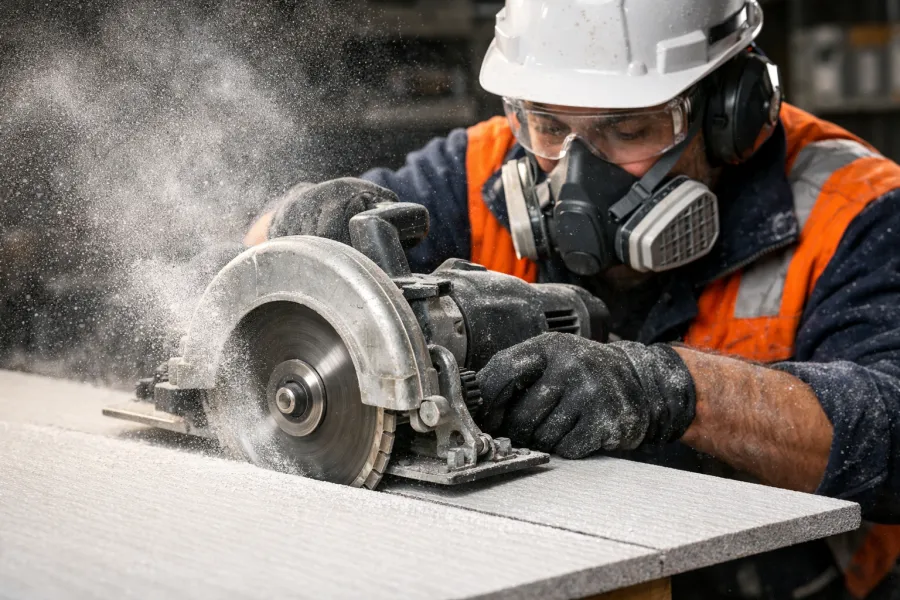
1. Cutting and Shaping
MgO boards can be easily cut, drilled, and shaped using standard tools, allowing for precise fitting within modules. This flexibility reduces labor time and minimizes material waste, which is particularly important in factory-controlled production environments.
2. Fastening Methods
These boards can be securely fastened to both steel and timber frames without warping or compromising stability. Standard screws or mechanical fasteners are sufficient, making installation straightforward and reducing the need for specialized hardware.
3. Joint Treatment
Proper attention to joints ensures smooth surfaces and maintains fire and moisture resistance. MgO boards work well with common joint compounds and tape, allowing for clean finishes while preserving structural and safety properties.
4. Transportation and Handling
Since modular units are transported to construction sites, materials must withstand handling stress. MgO boards are strong yet lightweight, making them easier to move and install without damage, ensuring that modules arrive on-site ready for quick assembly.
5. On-Site Efficiency
Their ease of installation, combined with durability and compatibility with other building components, helps reduce on-site construction time and labor costs, contributing to the overall efficiency and cost-effectiveness of modular projects.
Sustainability & Compliance
Sustainability and regulatory compliance are increasingly important in modern construction, particularly for modular housing projects aimed at European and other international markets. Magnesium oxide (MgO) boards offer significant advantages in both areas.
1. Environmental Sustainability
MgO boards are produced using natural, non-toxic materials and do not release harmful volatile organic compounds (VOCs), making them an environmentally friendly choice. Their long service life and resistance to mold, moisture, and fire also reduce the need for frequent replacements or repairs, minimizing environmental impact over time.
2. Fire Safety Compliance
MgO boards are inherently non-combustible, helping modular buildings meet strict fire safety regulations without additional treatments. This makes them suitable for both residential and commercial applications, aligning with European fire safety standards.
3. Durability and Longevity
The boards maintain dimensional stability and structural integrity over time, even in challenging conditions. This durability ensures that buildings remain safe, functional, and sustainable throughout their lifespan, supporting long-term building performance.
4. Versatility for International Standards
While the boards can be tested and certified to meet regional standards, their inherent properties—fire resistance, moisture resistance, and strength—make them compatible with a wide range of building codes and regulations, including European and international requirements.
By combining eco-friendly materials, high performance, and regulatory compliance, MgO boards provide modular house projects with a sustainable, safe, and future-ready solution.
Conclusion
Magnesium oxide (MgO) boards offer a reliable, safe, and sustainable solution for modular house construction. Their combination of fire resistance, moisture protection, high strength, and ease of installation makes them particularly well-suited for factory-prefabricated modules. By choosing MgO boards, builders can ensure structural integrity, regulatory compliance, and long-term durability, while also supporting environmentally responsible construction practices. As modular housing continues to grow globally, MgO boards stand out as a preferred material for delivering efficient, safe, and sustainable building solutions.
Explore how these versatile boards can elevate your modular housing projects today.