1. What is Fire Resistant Plasterboard?
Fire resistant plasterboard, also known as fire-rated gypsum board or fire-resistant board, is a specialized building material designed to withstand high temperatures and resist the spread of fire. Its composition typically includes a gypsum core that is encased in a durable paper liner. This specific construction allows the plasterboard to provide enhanced protection against the damaging effects of fire, making it a preferred choice in various applications, particularly in commercial and residential buildings.
The unique properties of fire resistant plasterboard stem from its mineral content. When subjected to fire, the gypsum core releases water vapor, which helps to cool the surrounding environment and delay the onset of combustion. This process can effectively slow down the spread of flames, providing occupants with additional time to evacuate safely. Furthermore, the paper liner is treated with fire-retardant chemicals that help to improve its overall fire resistance, contributing to its ability to meet rigorous safety standards.
Manufacturing fire resistant plasterboard involves precise methods to ensure consistent quality and performance. The production typically adheres to international codes and standards, such as those set by ASTM International and the British Board of Agrément (BBA). These standards require thorough testing to confirm the material’s fire resistance ratings, often classified as either Type X or Type C plasterboard, depending on their specific fire performance capabilities, such as time of exposure to flames without structural failure.
Overall, fire resistant plasterboard serves a critical role in fire safety within building construction. It is specifically engineered to provide optimal performance under extreme conditions, illustrating the importance of adopting materials that contribute to the safety and sustainability of structures.
2. How Does Fire Resistant Plasterboard Work?
Fire resistant plasterboard, commonly known as fireproof drywall, leverages specific materials and additives designed to enhance its performance in fire conditions. This specialized type of plasterboard is made up of a gypsum core, which serves as the primary ingredient. Gypsum contains water in its chemically bound form; when exposed to high temperatures, this water is released as steam. The process helps to absorb some of the heat, thereby slowing down the overall temperature rise within the material and surrounding structures.
Moreover, fire resistant plasterboard often incorporates various additives that contribute further to its fire-resistant properties. For instance, these boards may include glass fibers, which are known to provide additional structural integrity and resistance to heat. The presence of these fibers helps maintain the plasterboard’s shape and strength under duress, ensuring that it does not easily succumb to fire-induced damage. Enhanced formulations can also consist of unique chemicals that improve flame retardancy and help in delaying the spread of flames.
The performance of fire resistant plasterboard is typically tested in accordance with standardized fire resistance ratings, which determine the time it takes for the board to fail under specific fire exposure conditions. This information is crucial for architects and builders as it dictates how these materials should be utilized in various building applications to ensure safety. Additionally, fire resistant plasterboard plays a significant role in improving overall fire safety in structures by creating barriers that can compartmentalize areas during a fire, thus limiting its spread and providing occupants with crucial time for evacuation.
3. Main Advantages of Fire Resistant Plasterboard
Fire resistant plasterboard, commonly referred to as fire-rated board, offers a variety of advantages that make it an essential building material in both residential and commercial constructions. One of the primary benefits is enhanced safety. The inherent fire resistance of this type of plasterboard significantly slows the spread of flames and smoke during a fire incident. This attribute not only protects the occupants but also allows additional time for evacuation and for emergency services to respond. Furthermore, the use of fire rated drywall is often a requirement to comply with local building regulations aimed at ensuring the safety of structures.
In addition to these safety benefits, incorporating fire resistant plasterboard into construction projects can also lead to potential savings on insurance premiums. Insurance companies may offer lower rates for properties constructed with materials that demonstrate superior fire resistance. By proactively investing in fire rated materials, property owners can not only enhance safety but also realize long-term financial benefits.
Another critical advantage of fire resistant plasterboard lies in its cost-effectiveness as a long-term investment. While the initial purchase price may be slightly higher than standard plasterboard, the durability and protective characteristics of fire rated board can lead to reduced repair costs and insurance payouts in the event of a fire. Additionally, its installation can often be done in the same manner as traditional plasterboard, meaning that labor costs do not significantly increase.
Overall, the advantages of using fire resistant plasterboard extend beyond mere compliance and safety. It supports the goal of creating secure environments, potentially leading to financial savings and increased peace of mind for property owners and occupants alike.
4. Real-World Applications of Fire Resistant Plasterboard
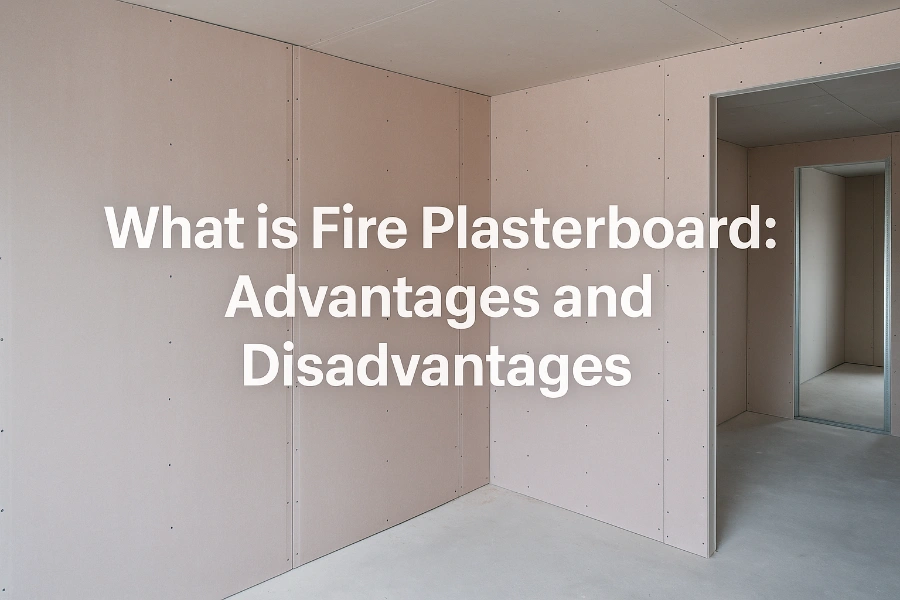
Fire resistant plasterboard is an essential component in modern construction, particularly in applications where fire safety is a significant concern. This type of plasterboard is specifically designed to withstand high temperatures and slow the spread of fire, making it a preferred choice in various settings. One of the primary applications of fire resistant plasterboard is in residential homes. In areas such as kitchens, garages, and multi-family dwellings, the installation of this fire-rated material can provide families with an added layer of safety, helping to contain potential fire hazards and protect lives.
In commercial buildings, the significance of fire resistant plasterboard extends further. Offices, retail spaces, and hospitality venues often require compliance with stringent fire safety regulations. Due to its excellent fire-resistive properties, this type of plasterboard is widely used in the construction of fire walls, ceilings, and partitions. Its ability to delay the spread of flames and smoke is crucial, as it allows for emergency evacuation and minimizes fire-related damages. The development of safe working environments is paramount, which is why many architects and builders prioritize the use of fire resistant materials during the design phase.
Moreover, in industrial facilities, the need for fire safety escalates due to the presence of flammable materials and equipment. Here, fire resistant plasterboard is employed not just for walls, but also for protective barriers around high-risk areas. Its robustness ensures compliance with health and safety standards while contributing to overall infrastructure resilience. In these applications, fire resistant plasterboard effectively minimizes the risk of catastrophic incidents, safeguarding both personnel and property. Its versatile uses across residential, commercial, and industrial domains highlight the importance of fire resistant plasterboard in contemporary construction practices.
5. Fire Ratings and Compliance Standards
Understanding fire ratings and compliance standards is essential when choosing the appropriate fire resistant plasterboard for construction projects. Fire ratings signify the effectiveness of materials in resisting fire, providing critical information to designers and builders. These ratings generally encompass classifications such as Class A, B, and C, which indicate varying degrees of fire resistance and safety. A Class A rating, for instance, denotes the highest level of fire resistance, while Class C represents the lowest. Therefore, selecting a fire resistant plasterboard with the correct rating is vital, especially for high-risk areas.
Various international standards govern fire resistance ratings. In the United States, the ASTM (American Society for Testing and Materials) establishes testing protocols and classification systems, such as the ASTM E84. This test evaluates surface burning characteristics to designate materials as fire resistant or not. Similarly, Europe employs EN tests which fall under the Construction Products Regulation. These European norms assess a material’s performance under different fire exposure conditions, providing a framework for compliance across countries in the European Union.
Compliance with these standards is not merely a best practice but often a legal requirement in construction projects. Adherence ensures that building materials meet the necessary safety regulations and are suitable for use in residential, commercial, and industrial applications. Furthermore, achieving these ratings through rigorous testing lays the groundwork for insurance compliance and liability protection for contractors. When integrating fire resistant plasterboard into design and construction plans, it is crucial to consider these ratings and standards to safeguard occupants’ safety and ensure structural integrity during fire incidents.

6. Key Limitations of Fire Resistant Plasterboard
Fire resistant plasterboard, while offering significant benefits in terms of enhancing fire safety, does have several limitations that must be taken into account. One of the prominent drawbacks is its susceptibility to moisture damage. When exposed to high humidity or direct water, the board can begin to deteriorate, leading to swelling, mold growth, and eventually, a loss of its fire-resistant properties. This limitation underscores the importance of proper installation and maintenance practices in environments where moisture levels may fluctuate.
Another consideration is the potential for degradation over time. Fire resistant plasterboard is designed to withstand elevated temperatures for a limited period; however, repeated exposure to extreme conditions can lead to a breakdown of its structural integrity. Performance may deteriorate if not adequately protected, potentially affecting safety standards. It is essential for builders and property owners to regularly inspect these materials to ensure they remain effective over their expected lifespan.
Additionally, while fire resistant plasterboard offers significant fire protection, it does not provide insulation against sound, nor does it necessarily improve thermal insulation. This aspect can pose challenges for builders who seek dual functionality in their materials. As a result, alternative products such as magnesium oxide board are increasingly considered due to their more comprehensive benefits, including heightened moisture and mold resistance, better insulation properties, and greater overall durability. When selecting the right material for a project, it is crucial to weigh the advantages of fire resistant plasterboard against its limitations and the features of other options, ensuring an informed decision that aligns with both building codes and personal safety requirements.
7. Why Builders are Turning to Magnesium Oxide Board (MgO Board)
In recent years, there has been a notable shift among builders towards the utilization of magnesium oxide board (MgO board) as an alternative to traditional fire resistant plasterboard. This transition can be attributed to the extraordinary properties that MgO board offers, setting it apart as a superior choice for modern construction needs.
One of the primary advantages of MgO board is its enhanced fire resistance. Unlike conventional plasterboard, which can still combust under extreme temperatures, MgO board exhibits remarkable performance in fire scenarios. This quality not only ensures compliance with stringent safety regulations but also provides peace of mind to builders and occupants. The integration of MgO board can significantly mitigate fire hazards, thereby enhancing the overall safety of residential and commercial structures.
Another notable benefit of magnesium oxide board is its exceptional moisture management capabilities. Traditional fire resistant plasterboard can sometimes lead to moisture retention, creating an environment conducive to mold growth and structural damage. Conversely, MgO board is inherently resistant to moisture, making it an ideal choice for areas prone to humidity such as bathrooms and kitchens. This aspect of durability further solidifies its standing as a preferred building material, especially in regions with wet climates.
Additionally, MgO board boasts a higher level of durability compared to plasterboard options. It is less susceptible to impacts and can withstand various physical stresses, making it advantageous in high-traffic areas. This combination of fire resistance, moisture management, and durability provides a holistic solution for builders who seek reliable materials that not only meet safety standards but also enhance the longevity of structures.
Overall, the increasing preference for magnesium oxide board points to a broader trend in the construction industry, as builders continue to identify materials that offer improved performance over traditional alternatives, ensuring robust and safe environments for future generations.
8. Comparison Between Plasterboard and MgO Board
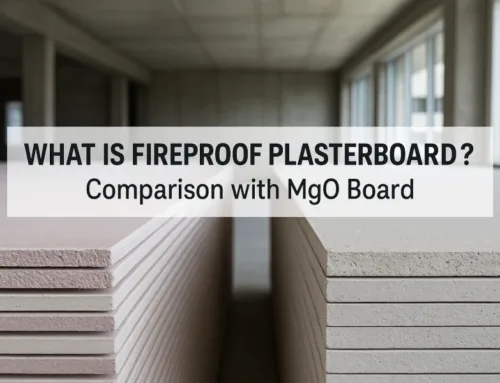
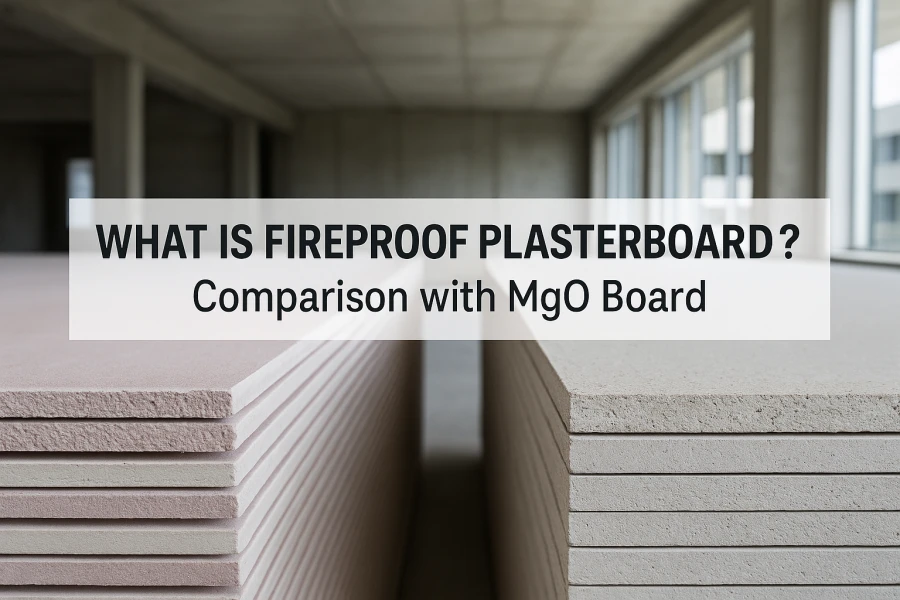
When evaluating wall materials for fire safety and durability, fire resistant plasterboard and magnesium oxide (MgO) board often stand out due to their respective qualities. Fire resistant plasterboard is composed mainly of gypsum, which has inherent fire-retardant properties. This type of plasterboard is popular for its ability to withstand high temperatures and its effectiveness in compartmentalizing fire within buildings. Conversely, MgO board is made from magnesium oxide, a material known for its impressive thermal insulation and resistance to moisture, which adds to its appeal in various construction settings.
In terms of performance, both materials exhibit beneficial characteristics. Fire resistant plasterboard can typically endure direct flames for longer periods, making it a suitable choice for areas that require heightened fire protection, such as stairwells and corridors. On the other hand, MgO boards also provide good fire resistance; however, they excel in situations where water exposure may be a concern, such as basements or external walls. This makes MgO boards a versatile option for both residential and commercial applications.
Cost is another significant factor to consider. Fire resistant plasterboard tends to be more affordable initially, though prices may vary based on specific requirements and the region in which they are purchased. Magnesium oxide boards, while typically more expensive, may save costs in the long run due to their durability and lower maintenance needs. Regarding application methods, both fire resistant plasterboard and MgO board can be installed relatively easily, but the installation of MgO boards may require specialized training due to their unique properties.
Lastly, longevity plays a vital role in decision-making. Fire resistant plasterboard generally has a lifespan similar to conventional plasterboard; however, MgO boards can last longer due to their resistance to mold and decay. Each material has its advantages, making the choice highly context-dependent based on specific project requirements.
9. Guidance on Choosing the Right Material for Your Projects
When faced with the decision of selecting between fire resistant plasterboard and magnesium oxide board for construction projects, it is essential to consider several factors that directly impact both safety and performance. Fire safety is undoubtedly paramount; thus, understanding the specific fire ratings and performance characteristics of each material is crucial. Fire resistant plasterboard is designed to withstand high temperatures and delay the spread of flames, making it an optimal choice for areas requiring robust fire protection.
In addition to fire safety needs, environmental factors should be taken into account. For instance, magnesium oxide board is known for its green credentials, as it often comes with recycled content and is free from toxic materials. When assessing environmental impact, it is important to review the life cycle assessments of each option. This information can help you choose a product that aligns with sustainability goals while still providing essential fire resistance.
Cost considerations also play a vital role in the decision-making process. Fire resistant plasterboard tends to be more widely available and may offer competitive pricing, whereas magnesium oxide board can sometimes carry a higher upfront cost due to its manufacturing process and unique properties. Evaluating the long-term benefits of fire safety and structural integrity against initial expenditures is critical in ensuring value for money. Customarily, fire resistant plasterboard might require less maintenance and repair, which can further influence budgetary allocations.
Ultimately, the choice between fire resistant plasterboard and magnesium oxide board should be driven by the specific needs of the project, encompassing fire safety requirements, environmental values, and financial implications. By assessing these elements, builders, architects, and homeowners can make informed decisions that best suit their construction objectives.