1. Introduction
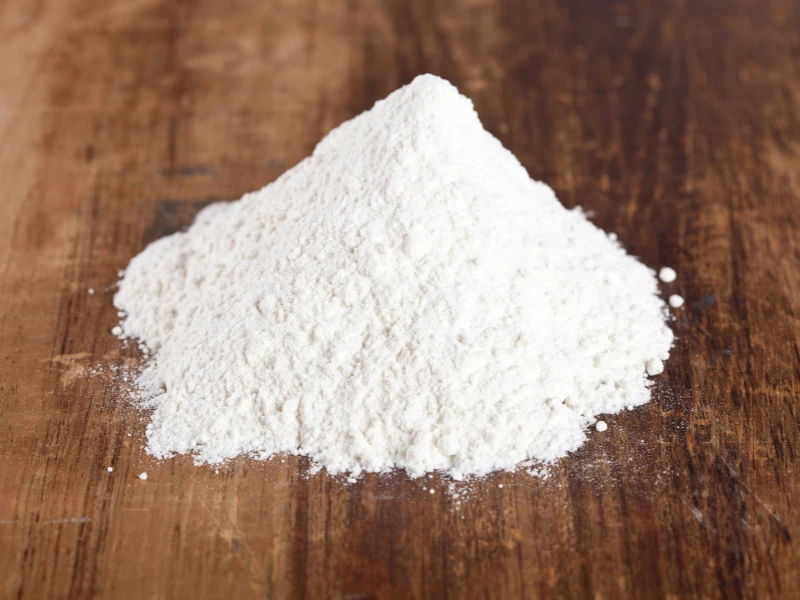
Magnesium oxide (MgO) is a critical raw material for MgO board production, widely used in construction for its fire-resistant and durable properties. In late 2025, the magnesium oxide market experienced a significant price surge, largely due to supply disruptions in China’s key production areas. This sudden increase has impacted the cost of MgO boards and created challenges for the building materials industry.
The price spike also reflects a broader global trend: as environmental policies tighten and industrial production becomes more regulated, raw materials like magnesium oxide are becoming increasingly sensitive to regional supply fluctuations.
2. Main Raw Material of MgO Boards
2.1 Importance of High-Quality Magnesium Oxide
MgO boards rely heavily on high-purity magnesium oxide to maintain their performance. Quality magnesium oxide contributes to:
-
Fire resistance
-
Structural stability
-
Compressive strength
-
Consistency in production
High-quality magnesium oxide ensures that boards meet stringent safety standards, which is especially important in construction projects such as schools, hospitals, and high-rise buildings. Boards produced with lower-grade MgO may have uneven density or reduced fire resistance, which can compromise safety and durability.
2.2 Role in Construction Industry
In addition to fire resistance, magnesium oxide enhances board durability, moisture resistance, and mold prevention. MgO boards are commonly used for wall panels, flooring, ceilings, and partition walls in both residential and commercial buildings. Their eco-friendly nature and low environmental impact have also made them increasingly popular in green building projects worldwide.
3. China as the Main Magnesium Oxide Producer
3.1 Northeast China and Haicheng
China is the world’s largest magnesium oxide producer, and the northeastern city of Haicheng is among the most important production hubs. The region has rich magnesite resources, supplying a large portion of the domestic and international market for light-burned magnesium oxide used in MgO boards.
Haicheng’s dominance in production means that any supply disruption in this region has a direct and immediate impact on magnesium oxide availability and prices globally.
3.2 Environmental Policy and Kiln Renovations
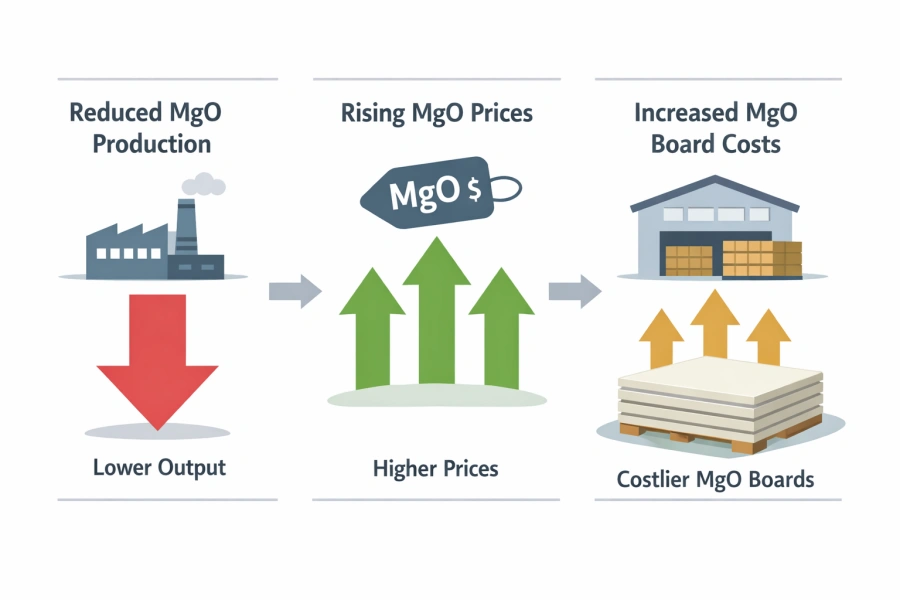
Starting from late 2025, Haicheng’s magnesium oxide industry underwent strict environmental regulation. Old kilns were either renovated or temporarily shut down to meet updated emission standards. As a result, most production lines were idle, and the current market relies heavily on limited inventory.
These environmental measures, while necessary for sustainability, have created a short-term supply shortage. For companies dependent on Haicheng magnesium oxide, this has necessitated adjustments in procurement strategies and inventory management.
4. Magnesium Oxide Price Surge in 2025
4.1 Factors Driving the Price Increase
Several factors contributed to the sharp rise in magnesium oxide prices:
-
Supply disruption due to kiln shutdowns in Haicheng
-
Environmental compliance costs for manufacturers
-
Seasonal demand spike before the Chinese New Year
-
Limited inventory and increased procurement competition
The combination of regulatory measures and seasonal demand created a perfect storm, pushing prices to levels rarely seen in previous years.
4.2 Market Impact
The high price of magnesium oxide has a ripple effect across the building materials industry:
-
Increased production costs for MgO boards
-
Delays in manufacturing schedules
-
Many factories forced to raise board prices
-
Smaller manufacturers facing operational pressure
These factors not only affect construction companies’ budgets but also influence project timelines, as procurement of high-cost MgO boards becomes more challenging.
5. Outlook for the Magnesium Oxide Market
5.1 Post-Holiday Recovery
Industry analysts expect that once kiln renovations in Haicheng are completed and production resumes, supply may stabilize. However, environmental policies and higher operational costs will likely keep magnesium oxide prices above pre-2025 levels.
Manufacturers and buyers should remain vigilant and plan for potential future fluctuations, especially as global demand for MgO boards continues to grow.
5.2 Implications for MgO Board Manufacturers
To mitigate the impact of price volatility, manufacturers should:
-
Secure magnesium oxide supplies in advance
-
Adjust pricing strategies to account for raw material costs
-
Explore alternative suppliers or magnesium oxide grades
-
Optimize production efficiency to reduce waste
Proactive strategies will help maintain stable operations and ensure supply continuity despite fluctuating raw material costs.
6. Conclusion
The magnesium oxide price surge in 2025 highlights the vulnerability of the MgO board industry to raw material disruptions. Environmental regulations, seasonal demand patterns, and regional supply limitations have intensified market pressures, forcing manufacturers to adjust prices and production schedules.
For industry stakeholders, staying informed about production updates in Haicheng and other key regions is essential for strategic planning. Proper procurement, inventory management, and cost forecasting are now critical to navigating the current magnesium oxide market and maintaining a competitive edge in the building materials sector.